


What Is Parent & Family Coaching?
Parent and family coaching helps you understand the patterns underneath those dynamics and what each person may be bringing to them.
We look at triggers, communication, expectations, boundaries, resentment, over-functioning, and the roles people have learned to play within the family.
Where You May Feel Stuck
Do Any of These Sound Familiar?
You Keep Having the Same Conflicts
You’re Walking on Eggshells

Boundaries Feel Complicated

You’re Over-Functioning

Your Relationship Has Changed

You Feel Hurt or Disconnected
Meet Wendy
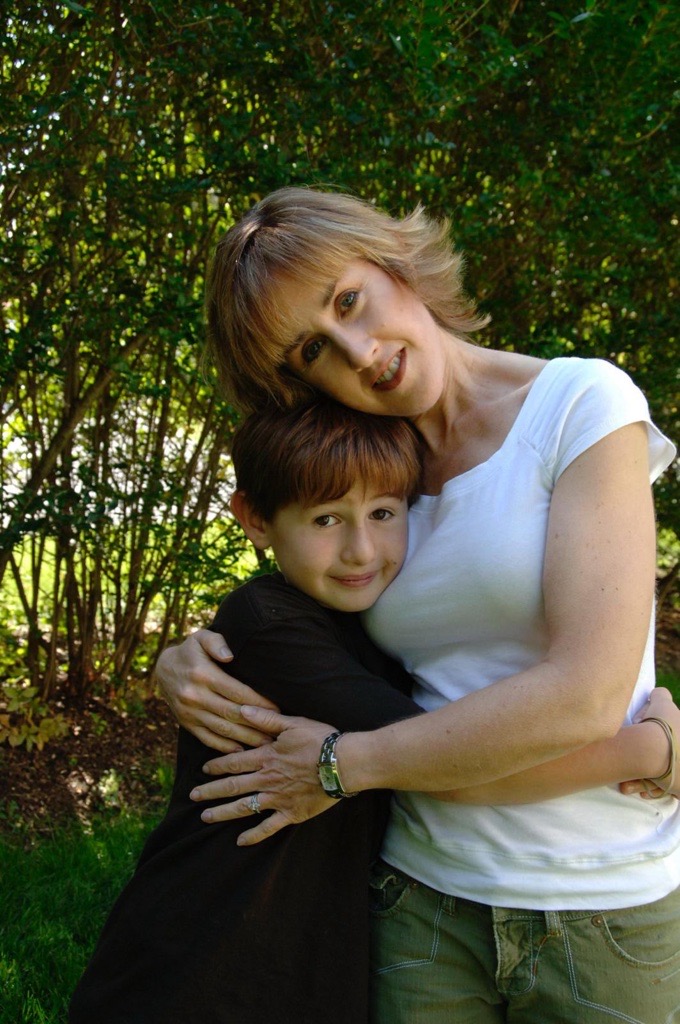
I Had To Learn How To Be The Parent I Wanted To Be
So when I decided to have children, I was determined to do things differently.
I put a lot of effort into learning how to be a good parent. I read, took classes, watched other families, and sought out hands-on training. And for a while, I thought I had gotten pretty good at it.
Then I got divorced, my two boys became strong-willed, fiercely independent teenagers, and what had worked before stopped working.
I realized that if I wanted to maintain close relationships with them, my parenting had to change. I had to move from managing and directing their lives to mentoring them, listening differently, and becoming more curious about who they were becoming rather than who I thought they should be.
That shift changed my relationships with my sons and changed the way I think about parenting.
Along the way, I’ve also navigated co-parenting with an ex, extended family relationships, and the ongoing changes that happen as children become adults and family roles evolve.
Today, those experiences are an important part of how I work with parents and families. I know how easy it is to love someone deeply and still get caught in patterns that create conflict or distance. And I know that sometimes creating a healthier family relationship starts with changing how we show up in it.

EXPERT AUTHOR

Top 10 Life Coaches to Follow in 2026
What Working Together Looks Like
Clarity Call
What Changes When You Do This Work
It’s to change the patterns that turn normal differences into conflict, resentment, distance, or disconnection.
- You understand what’s underneath the conflict instead of getting stuck on what was said or done.
- You recognize your own triggers and learn how to respond instead of automatically reacting.
- You communicate more directly instead of avoiding, exploding, rescuing, or shutting down.
- You set healthier boundaries without feeling responsible for everyone else’s reaction.
- You stop over-functioning and allow other family members to take responsibility for themselves.
- You create more room for honesty, connection, and healthier relationships within your family.
Client Stories
In Their Own Words

Thank you, I got my son back!!! I love that every little argument we have, he says: “…even Wendy said…” I knew you finally got to him. Thank the Lord above that I met you when I did!! Bless you….Read more
Yes, he’s doing well and is back on track. More importantly, he’s back to being Adam! This has been a big transition for him, and he’s come out of it with much more self-awareness and confidence that….Read more
I’m very lucky to have connected with Wendy! She has helped me regain perspective and strength in the midst of a series of family crisis and personal crossroads. I’m a career woman used to having control of my tomorrows….Read more
Wendy was recommended to me by a dear friend and I’m so glad she was, as I have now recommended her to others. When we first came together in 2020, I had just left a long-term emotionally abusive….Read more